

BhimChat BhimChat
    #seo #business #socialmedia #seoservice #usaaccounts
    Advanced Search
  • Login
  • Register

  • Night mode
  • © 2026 BhimChat
    About • Directory • Contact Us • Developers • Privacy Policy • Terms of Use

    Select Language

  • Arabic
  • Bengali
  • Chinese
  • Croatian
  • Danish
  • Dutch
  • English
  • Filipino
  • French
  • German
  • Hebrew
  • Hindi
  • Indonesian
  • Italian
  • Japanese
  • Korean
  • Persian
  • Portuguese
  • Russian
  • Spanish
  • Swedish
  • Turkish
  • Urdu
  • Vietnamese

Watch

Watch Reels Movies

Events

Browse Events My events

Blog

Browse articles

Market

Latest Products

Pages

My Pages Liked Pages

More

Forum Explore Popular Posts Games Jobs Offers Fundings
Reels Watch Events Market Blog My Pages See all
Rupa Singh
User Image
Drag to reposition cover
Rupa Singh

Rupa Singh

@rupasingh
  • Timeline
  • Groups
  • Likes
  • Friends 2
  • Photos
  • Videos
  • Reels
  • Products
2 Friends
777 posts
Female
image
image
Rupa Singh
Rupa Singh
1 y

chain replacement,
https://dkautorepairs.co.uk/
Chain replacement is a crucial maintenance task that ensures the smooth and safe operation of various mechanical systems. Whether it's a bicycle, motorcycle, industrial machine, or conveyor system, chains play a vital role in power transmission. Over time, chains wear out and can lead to reduced efficiency, increased wear on other components, and even unexpected breakdowns. In this article, we’ll explore the importance of chain replacement, signs of wear, and how to properly replace a chain.

Why Chain Replacement is Important
Chains are subject to constant friction, tension, and environmental exposure. Regular replacement prevents:

Performance Loss: A worn chain can slip or skip, reducing power transfer.

Increased Wear on Sprockets: An old chain can damage sprockets or gears, leading to more costly repairs.

Safety Hazards: In motorcycles or machinery, a snapped chain can cause serious accidents.

Energy Inefficiency: Worn chains increase resistance, leading to higher energy consumption.

Signs You Need to Replace Your Chain
Visible Elongation: Measure the chain with a ruler or chain wear tool. Elongation over 1-2% usually means it's time for a replacement.

Rust and Corrosion: Extensive rust weakens the metal and compromises performance.

Noise and Vibration: Unusual sounds or jerky movements are signs of wear or misalignment.

Skipping or Slipping: If the chain skips on the sprocket, it's likely worn out or stretched.

How to Replace a Chain (Step-by-Step)
Tools You’ll Need:
Chain breaker or removal tool

Replacement chain (matched to system specs)

Master link (if applicable)

Lubricant and cleaning brush

Protective gloves

Step 1: Remove the Old Chain
Place the system in a safe, off position.

Use the chain breaker tool to disconnect the old chain.

Clean the sprockets or gears before installing the new chain.

Step 2: Prepare the New Chain
Lay the old and new chains side by side to match length.

If needed, remove extra links using a chain breaker tool.

Step 3: Install the New Chain
Route the new chain through the sprockets.

Connect the ends using a master link or press-fit pin.

Ensure the chain has the correct tension—not too tight or loose.

Step 4: Lubricate and Test
Apply high-quality chain lubricant.

Test the system by rotating the drive mechanism and ensuring smooth movement.

Maintenance Tips to Extend Chain Life
Regular Lubrication: Keep your chain clean and lubricated to prevent wear and corrosion.

Tension Checks: Check and adjust chain tension frequently.

Avoid Overloading: Don’t exceed the load rating of your chain system.

Periodic Inspections: Inspect for signs of rust, elongation, or damage.

Conclusion
Chain replacement is a vital aspect of equipment maintenance that shouldn’t be overlooked. Replacing a worn chain on time helps maintain optimal performance, reduces costs in the long run, and ensures safety. By recognizing the signs of wear and following proper replacement steps, you can keep your system running smoothly for years to come.

Like
Comment
Share
Rupa Singh
Rupa Singh
1 y

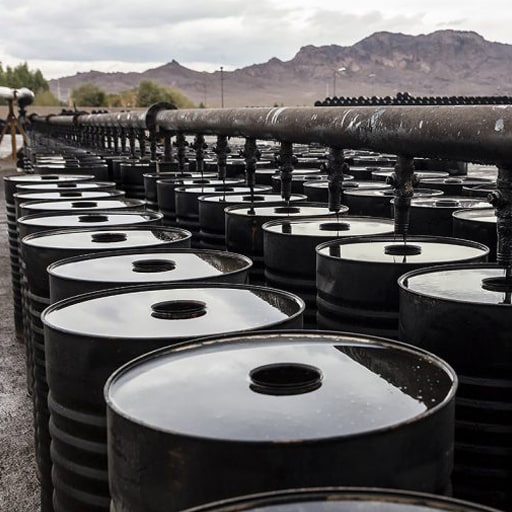
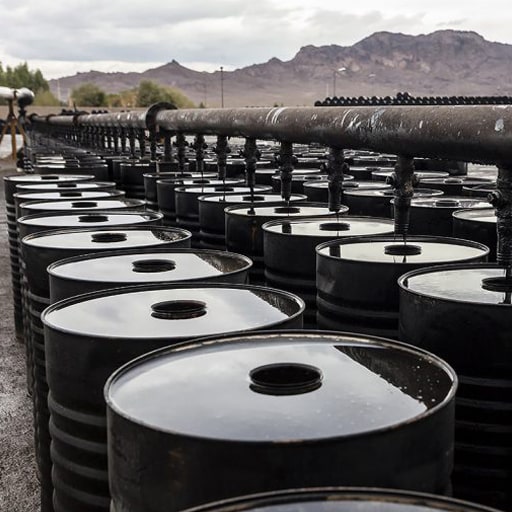
Bitumen 115/15

Bitumen 115/15 is a semi-solid grade of oxidized bitumen that is widely used in construction and industrial sectors. Known for its high softening point and low penetration value, Bitumen 115/15 offers exceptional performance in waterproofing, insulation, and corrosion protection applications.

Produced by air-blowing penetration grade bitumen at high temperatures, this type of bitumen has improved resistance to temperature variations and aging. It is particularly suitable for environments where thermal stability and strong adhesion are required.

Please visit here for more information https://www.jeypasargad.com/grade-115-15/

Oxidized bitumen Bitumen 115/15 - Jey Pasargad
Favicon 
www.jeypasargad.com

Oxidized bitumen Bitumen 115/15 - Jey Pasargad

Oxidized bitumen 115/15 is based on petroleum bitumen which is made by blowing bitumen 60/70 by hot air.
Like
Comment
Share
Rupa Singh
Rupa Singh
1 y

Bitumen 40/50,

What is Bitumen 40/50?
Bitumen 40/50 is a type of penetration grade bitumen primarily used in the construction and maintenance of pavement and road surfaces. The numbers “40/50” refer to the penetration value of the bitumen, measured in tenths of a millimeter. This means that a standard needle will penetrate the bitumen sample between 40 to 50 units under specific conditions of temperature, load, and time.

This penetration grade indicates that Bitumen 40/50 is relatively hard, making it ideal for regions with hot climates or areas subjected to heavy traffic loads, where softer bitumen might deform or rut under pressure.

Please visit here for more information https://www.jeypasargad.com/grade-40-50/

Bitumen grade 40/50 Bitumen 40/50 - Jey Pasargad
Favicon 
www.jeypasargad.com

Bitumen grade 40/50 Bitumen 40/50 - Jey Pasargad

The term “40/50” in Bitumen grade 40/50 means the penetration value is in the range between 40 to 50 mm/10 at standard test conditions...
Like
Comment
Share
Rupa Singh
Rupa Singh
1 y

Calcium hypochlorite,

1. Water Disinfection
One of the primary applications of calcium hypochlorite is in water treatment. It is used to sanitize drinking water, swimming pools, and wastewater by killing bacteria, viruses, and algae. It’s highly effective and often used in tablet or granular form for this purpose.

2. Bleaching Agent
In the textile and paper industries, calcium hypochlorite serves as a bleaching agent. Its strong oxidizing properties help remove stains and whiten materials.

please visit here for more information https://causticflakes.com/calcium-hypochlorite/

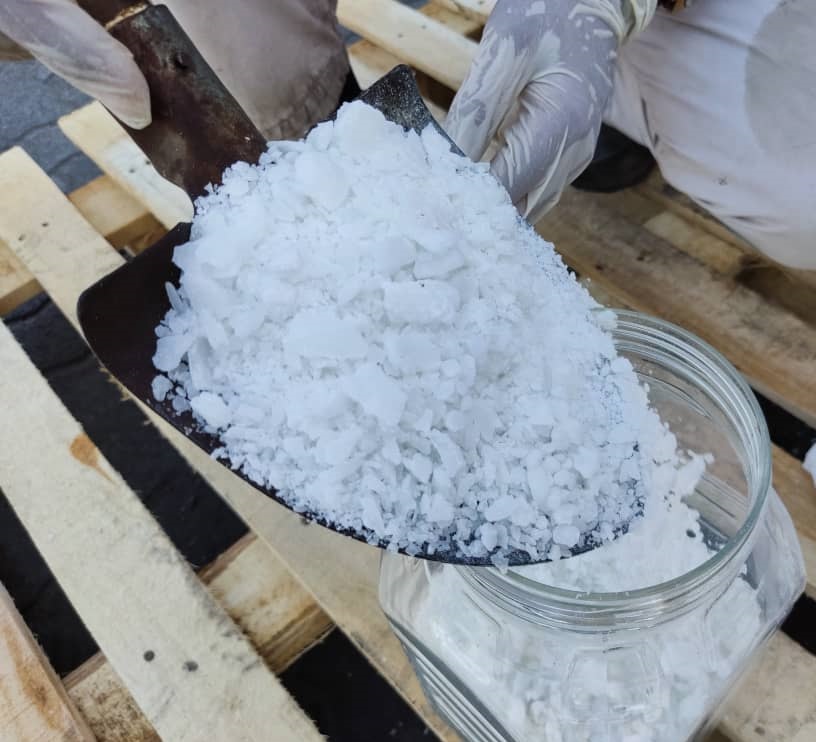
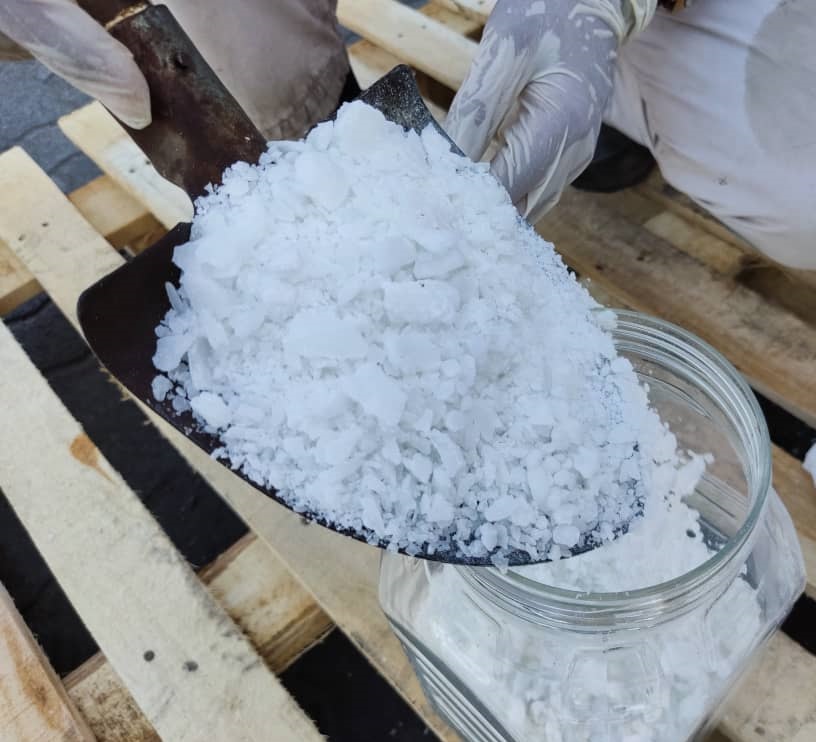
Calcium hypochlorite is a white solid
Favicon 
causticflakes.com

Calcium hypochlorite is a white solid

Calcium hypochlorite is a white solid that contains 65% available chlorine & also known by the trading name of Bleaching Powder
Like
Comment
Share
Rupa Singh
Rupa Singh
1 y

Soda ash light,

Soda Ash Light: Properties, Uses, and Industry Applications
Soda Ash Light, also known as light sodium carbonate (Na₂CO₃), is a white, odorless, and water-soluble powder with wide-ranging applications across numerous industries. It is one of the most important industrial chemicals and plays a key role in the manufacturing of a variety of everyday products.

please visit here for more information https://causticflakes.com/soda-ash-light/

Soda ash light is known as a white powder, without any smell.
Favicon 
causticflakes.com

Soda ash light is known as a white powder, without any smell.

Soda ash light or Sodium carbonate is used in the production of high performance powder detergents for laundry and dish washing.
Like
Comment
Share
Load more posts

Unfriend

Are you sure you want to unfriend?

Report this User

Edit Offer

Add tier


Select an image
Delete your tier
Are you sure you want to delete this tier?

Reviews

In order to sell your content and posts, start by creating a few packages. Monetization

Pay By Wallet

Payment Alert

You are about to purchase the items, do you want to proceed?

Request a Refund