
BhimChat BhimChat
    #seo #business #best #thatwarellp #digitalmarketing
    avancerad sökning
  • Logga in
  • Registrera

  • Nattläge
  • © 2026 BhimChat
    Handla om • Katalog • Kontakta oss • Utvecklare • Integritetspolicy • Villkor

    Välj Språk

  • Arabic
  • Bengali
  • Chinese
  • Croatian
  • Danish
  • Dutch
  • English
  • Filipino
  • French
  • German
  • Hebrew
  • Hindi
  • Indonesian
  • Italian
  • Japanese
  • Korean
  • Persian
  • Portuguese
  • Russian
  • Spanish
  • Swedish
  • Turkish
  • Urdu
  • Vietnamese

Kolla på

Kolla på Rullar Filmer

evenemang

Bläddra bland evenemang Mina händelser

Blogg

Bläddra bland artiklar

Marknadsföra

Senaste produkterna

Sidor

Mina sidor Gillade sidor

Mer

Forum Utforska populära inlägg Spel Jobb Erbjudanden Finansiering
Rullar Kolla på evenemang Marknadsföra Blogg Mina sidor Se allt
Bingbing Bi JD
User Image
Dra för att flytta omslaget
Bingbing Bi JD

Bingbing Bi JD

@BindaJD
 
  • Tidslinje
  • Grupper
  • Gillar
  • Vänner 2
  • Foton
  • videoklipp
  • Rullar
  • Produkter
Shandong Renke Control Technology Co.,Ltd.is a leading environmental monitoring high technology enterprise in China.

Renke is engaged in industrial sensor, communication gateway, industrial data platform, cloud computing service,and measurement control technology solution. We have won good reputation for high quality products and sincere service.
2 Vänner
18 inlägg
https://www.renkeer.com/
Manlig
Jobbar på https://renkeer.en.alibaba.com/?
Studerar på Jinan
Belägen i High – Tech Zone
image
image
Bingbing Bi JD
Bingbing Bi JD
40 i

The EC value (electrical conductivity) is a measure of the concentration of soluble salts in water. Its level directly affects the living environment and physiological functions of aquatic organisms. The following information explains the impact of EC on aquatic organisms:

1. The Relationship between EC and the Living Environment of Aquatic Organisms
EC reflects the total concentration of ions (such as sodium, magnesium, calcium, and chloride) in water. Aquatic organisms rely on a stable water environment for survival, and excessively high or low EC values ​​can disrupt these conditions. For example, when the EC value is too high, the salt concentration in the water is excessive, potentially causing "salt poisoning" in aquatic organisms, manifesting as osmotic imbalances and metabolic disorders. Furthermore, high EC values ​​increase the incidence of diseases such as root rot, indirectly impacting the health of aquatic organisms.

2. The Impact of EC on the Physiological Functions of Aquatic Organisms
Osmoregulatory Pressure: Aquatic organisms (such as fish and plants) adapt to the external water environment by regulating their internal osmotic pressure. When the EC value is too high, high concentrations of ions in the water can enter organisms through osmosis, causing cellular dehydration and impaired function. When the EC value is too low, aquatic organisms may experience physiological dysfunction due to excessive water loss.

Nutrient Absorption and Metabolism: Changes in EC value affect the solubility and bioavailability of nutrients in water. For example, certain trace elements are more readily absorbed by aquatic organisms within a specific EC value range, while excessively high or low EC values ​​can lead to nutrient deficiencies or toxicity.

3. EC Tolerance Range of Different Aquatic Organisms
Different aquatic organisms have different EC tolerance ranges. For example, freshwater organisms generally adapt to lower EC values ​​(generally, the EC value required for irrigation water is 0.8 mS/cm, while the ideal EC value for plant growth is typically between 1.2-1.8 mS/cm). However, some halophytes and aquatic organisms can tolerate higher EC values. When the EC value of water exceeds an organism's tolerance range, it can stunt growth, reduce reproductive capacity, or even lead to death.

4. Practical Examples and Countermeasures
In agricultural production, if crops (including aquatic crops) exhibit symptoms such as slow growth and wilting due to excessively high EC values, prompt measures should be taken to reduce soil or water salinity, such as irrigation with water with a lower EC value and appropriate fertilization. For aquatic ecosystems, monitoring and regulating water EC values ​​is a crucial means of maintaining biodiversity. Water environmental conditions can be optimized through measures such as artificial water replenishment and improving bottom soil quality.

In summary, EC values, as a key indicator of water quality, have significant impacts on the survival, physiological functions, and ecosystem balance of aquatic organisms. In practice, EC values ​​should be appropriately regulated based on the tolerance range of specific organisms to ensure healthy growth.

https://www.renkeer.com/tds-co....nductivity-and-salin
TDS, Conductivity, and Salinity in Water Quality
Favicon 
www.renkeer.com

TDS, Conductivity, and Salinity in Water Quality

TDS, EC, and salinity are interrelated: EC reflects ion concentration, TDS measures total dissolved solids, and salinity indicates total salt content.
Tycka om
Kommentar
Dela med sig
Bingbing Bi JD
Bingbing Bi JD
1 Y

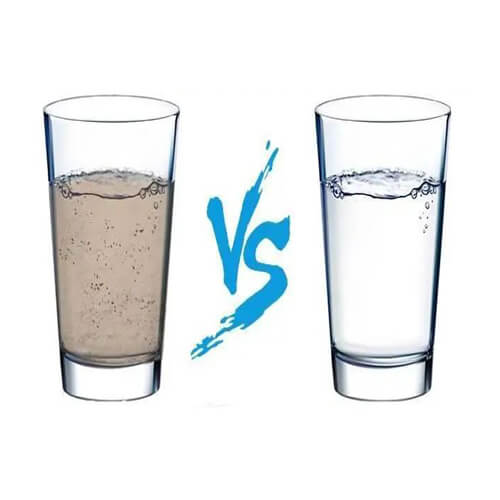
Application of turbidity sensors in water treatment
The application of turbidity sensors in water treatment is mainly reflected in the following aspects:

Real-time monitoring of water quality
Turbidity sensors can monitor the content and size of suspended particles in water in real time and continuously, providing important information about the cleanliness of water quality. This is crucial for fields such as water supply systems, environmental protection and sewage treatment.

Water treatment control
In the water treatment process, turbidity sensors help monitor the removal effect of suspended particles in the water treatment process, helping to control and optimize the water treatment process.

Abnormal alarm
When the suspended particles in the water quality exceed the set threshold, the turbidity sensor can trigger an alarm to remind the operator to handle or take necessary measures.

Provide continuous water quality data
Turbidity sensors can provide continuous water quality data and realize real-time monitoring, which is convenient for timely detection of problems and taking measures.

Highly accurate measurement results
Modern sensor technology can provide highly accurate measurement results to ensure the accuracy and reliability of data.

User-friendly design
Sensor design is usually user-friendly, easy to install and maintain, and reduces the threshold for use.

In summary, the application of turbidity sensors in water treatment can not only improve the efficiency and quality of water treatment, but also ensure the safety and sanitation of water supply. With the continuous advancement of technology, the functions and performance of turbidity sensors will continue to improve, bringing more innovation and development to the water treatment industry.
https://www.renkeer.com/what-a....nd-how-choose-turbid

What Is a Turbidity Sensor? How to Choose? - Renke
Favicon 
www.renkeer.com

What Is a Turbidity Sensor? How to Choose? - Renke

Turbidity is important for water quality, and the turbidity in the solution can be monitored by a turbidity sensor. There are three types of turbidity sensors.
Tycka om
Kommentar
Dela med sig
Bingbing Bi JD
Bingbing Bi JD
1 Y

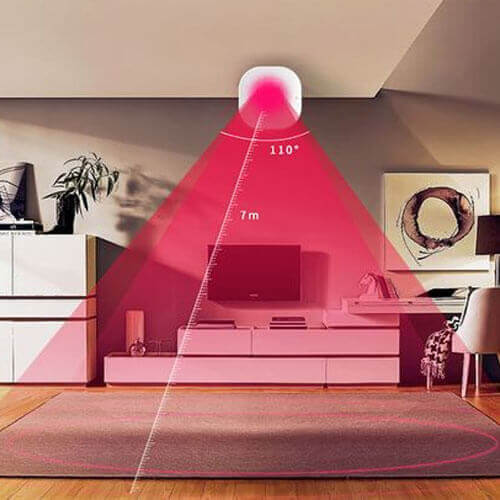
The innovation of infrared sensors in agriculture is mainly reflected in the following aspects:

Real-time monitoring and control: Infrared gas sensors can monitor the concentration of gases in the environment, such as carbon dioxide, methane, ammonia, etc., in real time to help farmers manage the environment and protect crops. For example, when planting crops, infrared gas sensors can monitor the concentration of harmful gases in the soil and adjust the amount and type of fertilizer used according to the test results to improve the yield and quality of crops.

Greenhouse gas monitoring and control: Infrared carbon dioxide sensors can monitor the concentration of carbon dioxide in the greenhouse in real time and accurately provide farmers with scientific data support. Through the data feedback of the sensor, farmers can timely understand the environmental conditions in the greenhouse and accurately regulate according to the growth needs of crops, such as timely replenishment of carbon dioxide, adjustment of ventilation systems, etc., so as to optimize the growth environment of crops and improve yield and quality.

Environmental monitoring and governance: Infrared gas sensors can be used not only for internal monitoring in agriculture, but also for environmental monitoring and governance. For example, in industrial production, infrared gas sensors can be used to detect the concentration of harmful gases in the production process and send alarms to the environmental protection department in time for environmental protection treatment and governance. In the energy industry, infrared gas sensors can be used to detect gas concentrations and help environmental protection departments monitor and supervise energy to ensure the rational use and safe storage of energy.

Intelligence and automation: Infrared sensors can be combined with intelligent control systems to achieve automated management of greenhouse environments. By setting a reasonable CO2 concentration threshold, the sensor can automatically trigger corresponding control instructions, such as turning on ventilation equipment, starting CO2 replenishment devices, etc., to maintain the best growth environment in the greenhouse. This intelligent management method not only improves the efficiency of agricultural production, but also achieves the goal of energy conservation and emission reduction, reduces greenhouse gas emissions, and promotes the green and sustainable development of agriculture.

Data-driven decision support: The data collected by infrared sensors can be integrated into the agricultural big data platform for in-depth analysis and mining. By comparing and analyzing historical data, farmers can more accurately predict the growth trend and yield changes of crops, thereby formulating more scientific and reasonable planting plans and management strategies. At the same time, these data can also provide strong support for agricultural scientific research and promote the continuous innovation and development of agricultural technology.

In summary, the application of infrared sensors in agriculture not only improves the efficiency and quality of agricultural production, but also provides farmers with better management methods and contributes to the development of sustainable agriculture.
https://www.renkeer.com/what-i....s-an-infrared-sensor

Infrared Sensor Principle, Types and Circuit - Renke
Favicon 
www.renkeer.com

Infrared Sensor Principle, Types and Circuit - Renke

Infrared sensor is a device that uses infrared radiation to measure temperature, analyze gas composition or perform non-destructive testing.
Tycka om
Kommentar
Dela med sig
Bingbing Bi JD
Bingbing Bi JD
1 Y

Improve energy efficiency and reduce carbon emissions
Photovoltaic weather stations reduce the consumption of fossil energy by using solar power generation, thereby significantly reducing carbon emissions. In the field of intelligent transportation, this means that the energy consumption and operating costs of transportation facilities can be reduced while promoting sustainable urban development.

Environmental monitoring and data support
Photovoltaic weather stations can monitor environmental parameters such as air quality and noise levels in real time, providing important environmental monitoring data for intelligent transportation systems. These data help optimize traffic flow management, reduce congestion, and improve road use efficiency.

Disaster warning and emergency response
Photovoltaic weather stations can also be used in disaster warning systems. By monitoring extreme weather conditions, early warning of possible natural disasters can be given, and timely response measures can be provided for intelligent transportation systems to ensure safe and smooth traffic.

Conclusion
Although the search results mainly focus on the application of photovoltaic weather stations in photovoltaic power plants, their high efficiency, accuracy and intelligence make them potentially widely used in the field of intelligent transportation. Through real-time monitoring and data analysis, photovoltaic weather stations can not only improve energy efficiency and reduce carbon emissions, but also provide strong support for the optimization and management of intelligent transportation systems.

https://www.renkeer.com/what-is-ultrasonic-sensor/

Ultrasonic Sensor Work, Used, Limitations and FAQs - Renke
Favicon 
www.renkeer.com

Ultrasonic Sensor Work, Used, Limitations and FAQs - Renke

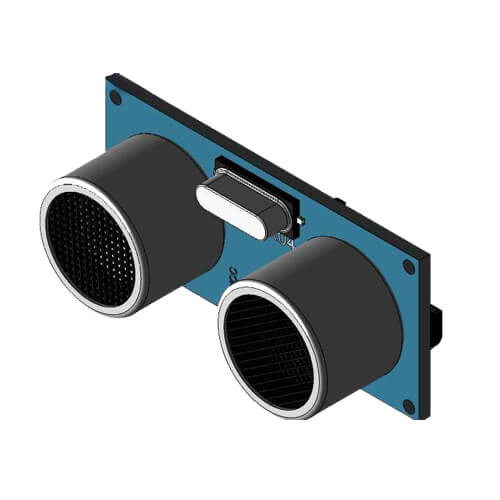
The ultrasonic sensor is a high-precision measuring device that uses ultrasonic waves to measure the distance, speed or position of an object.
Tycka om
Kommentar
Dela med sig
Bingbing Bi JD
Bingbing Bi JD
1 Y

Effects of pH on Water Quality
pH is a measure of the acidity or alkalinity of an aqueous solution, and it has many effects on water quality. Here are a few ways in which pH affects water quality, with specific examples.

Effects on Biological Activity
Different organisms have different sensitivities to pH, and some can only survive and reproduce within a specific pH range, but not at other pH conditions. For example, the optimal pH range for freshwater organisms is usually 6.5 to 8.5, while the optimal pH range for marine organisms is 7.5 to 8.4. If the pH of a water body deviates from the optimal range for an organism, it will have an adverse effect on the growth, reproduction, and survival of the organism.

Effects on the Solubility of Dissolved Substances
The pH of water can affect the solubility of dissolved substances. Many dissolved substances exhibit different solubility at different pH values. For example, some metal ions dissolve more easily under alkaline conditions, while other ions dissolve more easily under acidic conditions. Therefore, understanding the pH of water can help us understand the extent to which dissolved substances are present in water.

Effects on the Taste and Odor of Water
The pH of water can also affect the taste and odor of water. The taste and smell of water may vary from source to source, partly due to the different pH values ​​of water, which affect the existence of dissolved compounds and gases in water, thus changing the sensory properties of water.

Effect on the solubility of toxic substances
Changes in the pH value of water may affect the solubility of poisons. For example, when the pH value is below 6, 90% of the sulfide in water exists in the form of hydrogen sulfide, increasing the toxicity of sulfide; and when the pH value is above 8, a large amount of ionic ammonium is converted into toxic molecular ammonia.

Effect on the self-purification ability of water bodies
Excessively high or low pH values will inhibit the activity of microorganisms in water, hinder the decomposition of nitrify bacteria, and make it difficult for organic matter to decompose. The self-purification ability of water bodies is reduced and the water quality deteriorates.

Effect on algae reproduction
The pH value determines the reproduction and growth of some algae, and in turn, the reproduction of algae also affects the pH value changes of water bodies. For example, when the pH value drops to 5-6.5, it will cause the reproduction of hydrophilic flagellation in water and cause the occurrence of flagellation fish disease.

Conclusion
In summary, pH value is of great significance to water quality. It affects the solubility of dissolved substances, biological activity, taste and odor of water, solubility of toxic substances, self-purification ability of water bodies and reproduction of algae. Therefore, understanding and monitoring the pH value of water is a key step to ensure the safety and suitability of water quality.

https://www.renkeer.com/what-is-the-water-ph/

Why and How to Measure Water pH - Renke
Favicon 
www.renkeer.com

Why and How to Measure Water pH - Renke

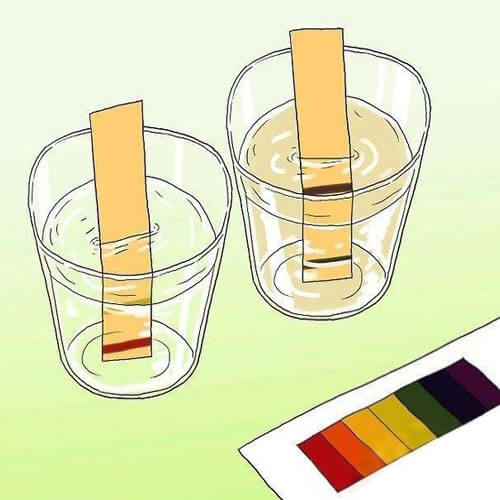
The water pH is an indicator of its acidity and alkalinity, which is affected by natural and human factors. It can be tested by pH sensors or pH test strips.
Tycka om
Kommentar
Dela med sig
Ladda fler inlägg

Unfriend

Är du säker på att du vill bli vän?

Rapportera denna användare

Redigera erbjudande

Lägg till nivå


Välj en bild
Ta bort din nivå
Är du säker på att du vill ta bort den här nivån?

Recensioner

För att sälja ditt innehåll och dina inlägg, börja med att skapa några paket. Intäktsgenerering

Betala med plånbok

Betalningslarm

Du är på väg att köpa varorna, vill du fortsätta?

Begära återbetalning