


Alcohol Detox - What to Expect
If you are considering alcohol detox, you've probably been wondering what to expect. Here you will learn about the signs and symptoms of alcohol withdrawal, the medicines that are used to combat them, and what you can expect from the process. Then, you can make an educated decision about the best alcohol detox program for you. In addition, you'll discover what you can expect from the first few days. Below are some tips to prepare for the first detox.
https://trueselfrecovery.com/drug-detox/
Medically supervised alcohol detox
For many people, medically supervised alcohol detoxification is the first step toward a sober lifestyle. Most people need medical detoxification if they have been abusing alcohol or drugs for a prolonged period of time. Medical detoxification ensures that the patient is in safe hands and is able to overcome their addictions to the substances they used to abuse. Read on to learn why medically supervised alcohol detox is a good option for your sober life.
Medically supervised alcohol detox offers time to heal and provides medications for rest and comfort. Withdrawal symptoms can be extremely severe. Symptoms can range from simple hangovers to delirium tremors, which can be fatal. It is important to know that you are not alone in experiencing alcohol withdrawal symptoms. With a medically supervised alcohol detox, you'll have a professional at your side to help you overcome these challenges and start the road to recovery.
For your safety, medically supervised alcohol detox will take place in an inpatient medical setting. The three-step process will help medical professionals gather vital information about your health. Your evaluation will include blood tests, screenings for underlying medical conditions, and psychological testing. They will also assess your social support network and determine whether you have the ability to deal with withdrawal symptoms. By ensuring that you receive the appropriate level of care, you can feel more confident about your ability to get through your detoxification.
Symptoms of withdrawal
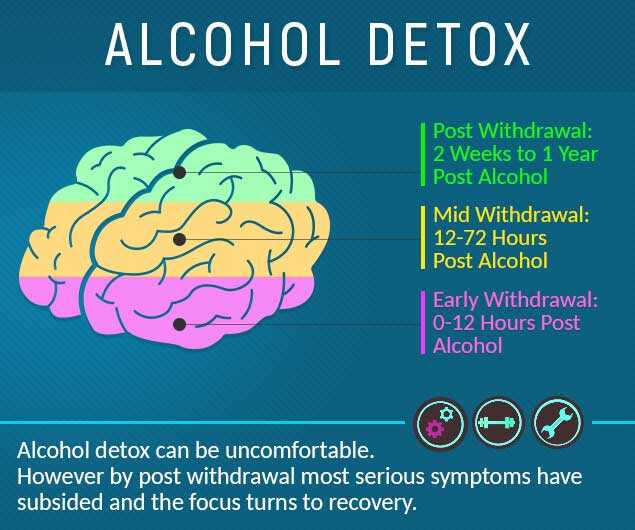
The physical, mental, and emotional effects of alcohol withdrawal can be debilitating and even life-threatening. This article describes some of the most common symptoms of alcohol withdrawal and how to identify them in yourself. It is important to know that you should not attempt to stop drinking alcohol on your own. Medical assistance is required if you experience acute alcohol withdrawal syndrome. It may be best to seek medical advice as soon as possible. Alcohol withdrawal symptoms can be mild or severe, depending on the severity of your drinking and your body's response to the alcohol.
While the intensity of your symptoms depends on your personal situation, the main warning signs are nausea, vomiting, sweating, and intense worry. Seizures can also be a complication of alcohol withdrawal. Although most people recover from these symptoms within a week, severe alcohol withdrawal can be fatal. Depending on your age and level of alcohol abuse, it may take you up to 72 hours to feel normal again. If you don't feel well within a week after your last drink, you should get medical attention.
Alcohol has a depressant effect on the central nervous system. It slows down the brain's activity by making the nerves and brain cells work harder to keep the alcohol level at a constant level. When the level of alcohol drops, the brain tries to compensate by secreting more stimulating chemicals. But these overproductions can cause a cascade of unpleasant symptoms. In time, the brain will readjust to normal levels, resulting in the physical withdrawal symptoms you experience. These symptoms are closely related to the amount of alcohol you have consumed in the last few weeks or months.
Medicines used to prevent withdrawal symptoms
While there is no single medicine that will prevent all symptoms of alcohol withdrawal, there are some that are widely used. Benzodiazepines are one common example. These drugs reduce the adrenergic side effects of alcohol withdrawal, but do not prevent seizures or delirium tremens. A more promising alternative is baclofen, a skeletal muscle relaxant that acts as a selective agonist of the GABA-B receptor. It has been used in the treatment of acute alcohol withdrawal, and has shown promise in reducing symptoms quickly. However, it remains to be seen whether this medicine can control severe withdrawal symptoms.
The first and most common benzodiazepine is diazepam, also known as "benzo." It works by binding to the endorphin receptors in the body, preventing them from receiving alcohol.